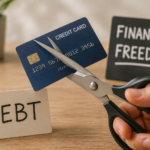

Student loans are one of the most common forms of debt for young adults — and one of the most stressful. The combination of a large balance, years of repayments ahead, and an entry-level salary can feel genuinely overwhelming. Many people resign themselves to making the minimum payment for decades and just hoping for the best.
But here’s the truth: even on a low income, there are real and practical strategies you can use to pay off your student loans faster than you think. You don’t need a high salary or a windfall to make meaningful progress. You need a plan, the right strategies, and consistent action over time.
This guide is written specifically for people on a low income who want to get out of student debt as quickly as possible without making their day-to-day life miserable in the process.

Understanding Your Student Loans First
Before you can create a payoff strategy, you need to understand exactly what you’re dealing with. Sit down and make a complete list of all your student loans, including:
- The loan servicer or lender
- The total balance outstanding
- The interest rate on each loan
- The monthly minimum payment
- Whether the loan is federal or private (in the US) or the type of plan you’re on (in the UK)
This information is crucial because different loans have different rules, different interest rates, and different repayment options. Federal loans in the US, for example, offer income-driven repayment plans and potential forgiveness programmes that private loans don’t. In the UK, student loan repayments are tied to your income and automatically deducted from your salary above a certain threshold.
Knowing exactly what you owe and under what terms is the foundation of any effective payoff strategy.
Why Paying More Than the Minimum Matters So Much
On a low income, it can be tempting to just make the minimum payment and forget about it. But the cost of doing this over the long term is enormous.
Consider this example: if you have $30,000 in student loans at 6% interest and you make only the minimum payment, you could be paying for 10-20 years and paying tens of thousands of dollars in interest on top of the original balance.
Every extra dollar you put toward your student loans reduces the principal balance, which reduces the interest you’ll pay in future months. Even an extra $50 or $100 per month can shave years off your repayment timeline and save you thousands in interest.
Strategy 1: Use an Income-Driven Repayment Plan (US) or Understand Your Threshold (UK)
If you’re in the US and your student loans are federal, an income-driven repayment plan can be a lifesaver on a low income. These plans cap your monthly payment at a percentage of your discretionary income — typically 10-20% — making payments more manageable.
Plans like SAVE, PAYE, and IBR are designed specifically for borrowers who can’t afford standard repayments. After 20-25 years of qualifying payments, any remaining balance may be forgiven.
If you’re in the UK, your repayments are automatically calculated as a percentage of your income above the repayment threshold. Understanding your threshold and how close you are to it can help you plan your finances more effectively.
Strategy 2: Make Biweekly Payments Instead of Monthly
This is a simple but powerful trick. Instead of making one monthly payment, split your payment in half and pay every two weeks. Because there are 52 weeks in a year, you’ll end up making 26 half-payments — which is equivalent to 13 full monthly payments instead of 12.
That one extra payment per year can significantly reduce your loan term and the total interest you pay, without requiring any extra money — just a change in payment frequency.
Check with your loan servicer to make sure there are no penalties for this approach and that extra payments go toward reducing your principal balance rather than future interest.
Strategy 3: Apply Every Windfall Directly to Your Loans
Tax refunds, work bonuses, birthday money, side hustle income, money from selling unwanted items — any unexpected money that comes your way should go straight toward your student loans.
On a low income, large lump sum payments can make a disproportionate impact because they directly reduce your principal balance, which reduces future interest. A $500 tax refund applied to your loans today could save you $200 or more in interest over the life of the loan.
It requires discipline to resist spending unexpected money on something more enjoyable, but the long-term financial benefit is significant.
Strategy 4: Find a Side Hustle Specifically for Loan Payments
On a low income, finding extra money within your existing budget can be genuinely difficult. That’s why many people in this situation turn to side hustles — not to improve their lifestyle, but specifically to accelerate their debt payoff.
The key here is to commit in advance that 100% of your side hustle income goes toward your student loans. This makes the extra work feel purposeful and creates a clear connection between your effort and your progress.
Side hustles that work well alongside a full-time job include freelance writing, tutoring, dog walking, food delivery, selling handmade items online, or offering services like cleaning, gardening, or childcare. Even an extra $200-300 per month dedicated to your loans can make a dramatic difference to your payoff timeline.
Strategy 5: Refinance Your Loans (If It Makes Sense)
If you have private student loans or a mix of federal and private loans, refinancing could reduce your interest rate and save you money over time. Refinancing means taking out a new loan at a lower interest rate to pay off your existing loans.
However, there are important caveats. If you refinance federal loans into a private loan, you lose access to income-driven repayment plans and potential loan forgiveness programmes. For most people on a low income with federal loans, this trade-off is not worth it.
Refinancing makes more sense if you have private loans, a good credit score, and stable income — and you’re confident you won’t need the protections that federal loans provide.
Always compare multiple lenders before refinancing and read the terms carefully.

Strategy 6: Cut One Major Expense and Direct the Savings to Your Loans
On a low income, every dollar counts. Look at your budget and identify one significant expense you can reduce or eliminate — even temporarily — and redirect those savings directly to your student loans.
This could be:
- Moving to a cheaper apartment or getting a roommate
- Downgrading your car or eliminating a car payment
- Cancelling subscriptions and redirecting that money
- Reducing your dining out budget significantly for 6-12 months
The goal isn’t to deprive yourself forever — it’s to create a short-term sacrifice that makes a long-term difference to your financial situation.
Strategy 7: Target the Highest Interest Loan First
If you have multiple student loans at different interest rates, focus your extra payments on the loan with the highest interest rate first while making minimum payments on the others. This is the avalanche method, and it saves you the most money in interest over time.
Once the highest-interest loan is paid off, redirect all payments to the next highest, and so on. Over time, your payment capacity snowballs and you accelerate through the remaining loans.
Strategy 8: Look Into Loan Forgiveness Programmes
Depending on your career and location, you may qualify for loan forgiveness programmes that could eliminate part or all of your student debt.
In the US, the Public Service Loan Forgiveness programme forgives remaining federal loan balances after 10 years of qualifying payments for people working in government or non-profit roles. Teacher Loan Forgiveness and various state-specific programmes also exist.
Research what’s available in your country and field — you might be closer to forgiveness than you think.
Staying Motivated on a Low Income
Paying off student loans on a low income is genuinely hard, and it’s important to acknowledge that. Progress can feel slow, and there will be months where unexpected expenses set you back.
The key is to focus on what you can control: making every minimum payment on time, adding extra whenever possible, and making smart decisions with any windfalls that come your way. Track your balance regularly so you can see it going down — even slowly — which keeps you motivated.
Celebrate small milestones. When you pay off your first $1,000, when you reach the halfway point, when you pay off your first individual loan — acknowledge these achievements. They matter.
The Bottom Line
Paying off student loans on a low income isn’t easy, but it is absolutely possible with the right strategies. Start by understanding exactly what you owe, look into income-driven repayment options if you have federal loans, make biweekly payments, apply every windfall to your balance, and consider a side hustle specifically for debt repayment.
Progress may feel slow at times, but every payment brings you closer to the day when your income is truly your own. Stay consistent, stay focused, and trust the process.

Frequently Asked Questions:
Is it possible to pay off student loans fast on a low income?
Yes, but it requires prioritization and consistency. Even small extra payments made regularly can significantly reduce your total repayment time and the amount of interest you pay. The key is to have a clear strategy and stick to it.
Should I pay off student loans or save money first?
Build a small emergency fund of $1,000 first, then focus on your student loans. Without any savings buffer, an unexpected expense will force you to take on more debt. Once you have that cushion, direct every extra dollar toward your loans.
What is the fastest way to pay off student loans?
Make extra payments whenever possible and apply them directly to the principal balance, not future payments. Even an extra $20-50 per month can shave months or years off your repayment timeline and save significant interest.
Should I refinance my student loans?
Refinancing can lower your interest rate and reduce monthly payments, but it’s not right for everyone. If you have federal loans, refinancing converts them to private loans and you lose access to income-driven repayment plans and forgiveness programs. Weigh the trade-offs carefully before refinancing.
What is income-driven repayment and is it worth it?
Income-driven repayment plans cap your federal loan payments at a percentage of your discretionary income. They can make payments more manageable on a low income, but they extend your repayment period and increase total interest paid. They work best if you’re pursuing loan forgiveness.
What should I do once my student loans are paid off?
Redirect the money you were paying toward your loans into savings and investments immediately. That monthly payment amount, now freed up, can build your emergency fund, contribute to a retirement account, or go into an index fund — turning debt repayment into wealth building.
Disclaimer: This article is for informational purposes only and does not constitute financial advice.